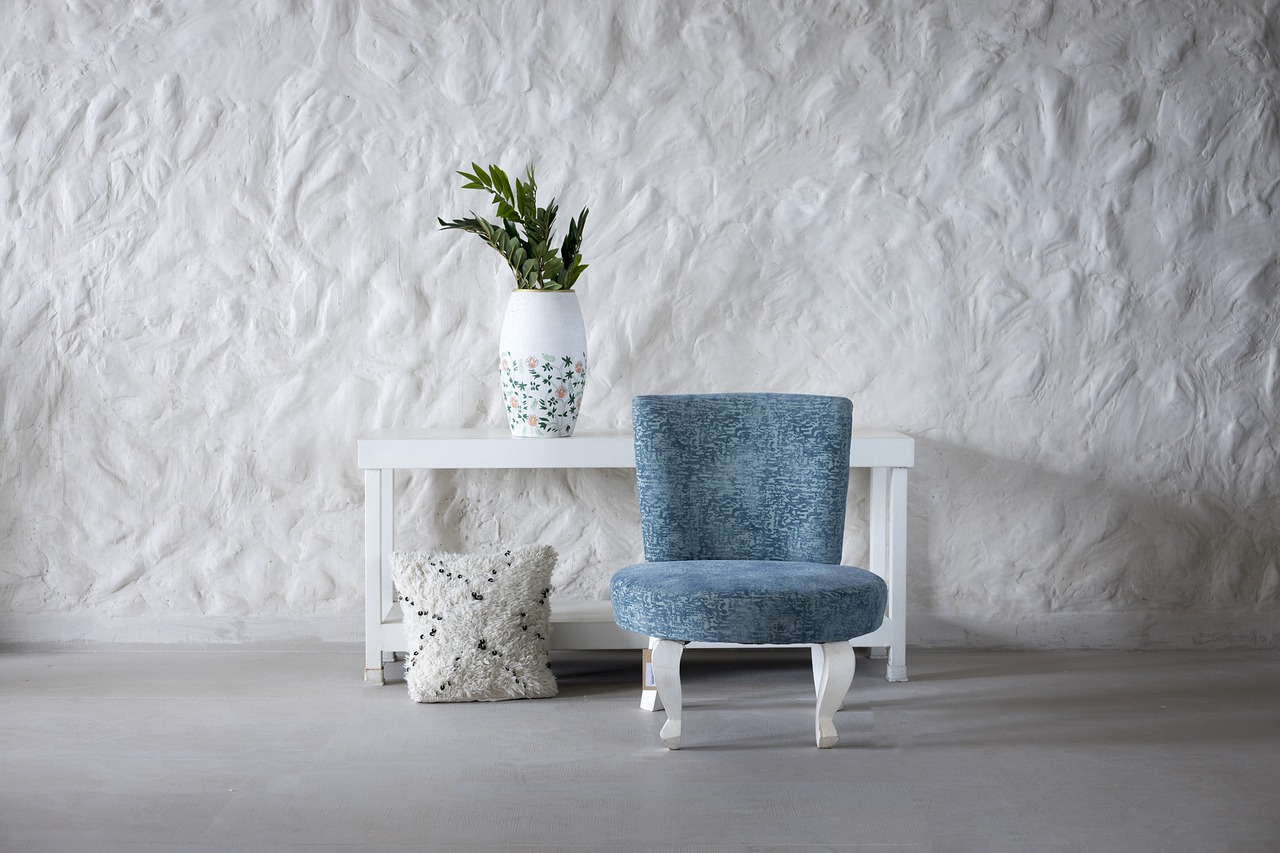
When you walk into a newly renovated room, your eyes usually scan the walls and floors first. Smooth, painted drywall and flawless tiles have dominated interior design for decades. Yet, a subtle shift is happening in homes and offices everywhere. Flat surfaces are giving way to walls and finishes you actually want to touch.
We are talking about textured surface designs, a versatile approach that brings physical depth and character to otherwise plain rooms. This guide explains how tactile elements work, who brings them to life, and how you can use them to transform your space without overwhelming it. By integrating these tactile layers into your architectural plans, you create an environment that feels grounded, intentional, and deeply connected to human sensory experiences.
Understanding Tactile Walls and Finishes
Tactile design goes beyond simple paint colors. It involves materials that catch the light, cast soft shadows, and offer a distinct physical feel under your fingertips. Think of ribbed wood paneling, rough concrete render, acoustic felt slats, or embossed ceramic tiles. These elements engage more than just your sense of sight, transforming static rooms into dynamic, living environments.
Why does this matter in modern architecture? Modern interiors often favor clean lines, neutral palettes, and open floor plans. Without careful planning, these minimalist spaces can feel cold or clinical. Introducing textured surface designs breaks up large expanses of empty wall and adds warmth naturally. You get the benefits of minimalism paired with the comfort of cozy materials. For instance, pairing a sleek, minimalist leather sofa with a rugged, lime-washed masonry wall introduces an instant visual dialogue between refined and raw elements.
- Limewash and mineral paints create a cloudy, stone-like finish that reacts beautifully to changing daylight, offering a matte patina that ages gracefully over time.
- Fluted wood panels absorb sound while adding rhythmic vertical lines to living rooms or bedrooms, making large spaces feel more intimate and acoustically balanced.
- Terrazzo and pebbled resin tiles bring organic imperfections to high-moisture areas like bathrooms and kitchens, introducing slip-resistant functionality alongside tactile visual interest.
Who Is Involved in Creating Textured Interiors?
Bringing tactile elements into a home is rarely a one-person job. A successful project usually requires a collaborative effort between several professionals who understand both aesthetics and structural integrity. Knowing who does what helps you manage your renovation smoothly and ensures the final result meets your structural and design expectations.
Interior designers often spark the idea by suggesting tactile accents for a feature wall or fireplace surround. Then, specialized craftspeople step in. Plasterers, stone masons, and finish carpenters execute the heavy lifting. Installing heavy acoustic slats or applying artisan plaster requires a steady hand, artistic intuition, and specific technical knowledge regarding substrate preparation and curing times.
Manufacturers and material suppliers also play a key role. Brands that specialize in architectural finishes develop innovative products like lightweight concrete panels or recycled acoustic felt. Consulting these suppliers early helps you understand weight limits, maintenance requirements, and fire ratings before buying materials. Furthermore, working closely with general contractors ensures that framing and backing walls are robust enough to support heavy stone cladding or solid wood installations safely.
How to Apply Textured Surface Designs in Practice
Adding tactile elements requires a balanced hand. If every wall in your house features heavy plaster or deep grooves, the space will quickly feel cramped and chaotic. The secret lies in contrast and restraint. Let smooth surfaces highlight the rough ones, allowing the eye to rest in areas of visual calm.
Start by picking a single focal point in a room. Behind a bed, a textured headboard wall made of upholstered panels sets a calm, luxurious tone. In a dining room, a fluted sideboard or a ridged lime-plaster accent wall draws the eye and anchors the furniture. Keep the surrounding walls simple to let the texture breathe. For instance, balance a rugged stacked-stone fireplace with smooth, gallery-white drywall on adjacent walls to maintain spatial brightness.
- Assess your lighting. Side lighting from sconces or floor lamps emphasizes relief and shadow, making textured surfaces pop and revealing hidden dimensional details.
- Consider room function. High-traffic hallways need durable finishes like scrubbable quartz render rather than delicate fabrics or soft acoustic panels that might snag.
- Test samples in your actual space. Natural and artificial light change how shadows fall across a textured wall dramatically, so view your chosen swatches at different times of day.
Common Pitfalls and How to Avoid Them
Even experienced renovators occasionally stumble when working with tactile materials. One frequent mistake is ignoring acoustics and lighting. A deeply textured stone wall can create harsh echo chambers if the room lacks soft furnishings. Always pair hard, rough surfaces with rugs, curtains, or upholstered seating to maintain a comfortable soundscape.
Another trap is overcomplicating the color palette. When walls have strong physical patterns, loud colors compete for attention and cause visual fatigue. Stick to muted, earthy tones—like warm greys, soft beiges, or deep charcoals—so the focus remains on the form and shadow of the material rather than bright pigments. Additionally, avoid placing high-relief surfaces in narrow corridors where people might constantly brush against them and cause accidental damage.
Finally, do not underestimate the cleaning factor. Deep grooves and rough plaster trap dust faster than flat drywall. Ask your supplier about protective sealants, especially for kitchen backsplashes or entryway walls where muddy shoes and cooking splashes are inevitable. A proper clear coat can make maintenance remarkably straightforward without ruining the matte or tactile quality of the finish.
Frequently Asked Questions
What are the best materials for textured surface designs?
Popular choices include lime plaster, acoustic wood slats, board-formed concrete, terracotta tiles, and woven wallcoverings. The right choice depends on your budget, style, and the room’s function.
Are textured walls difficult to maintain?
Maintenance varies by material. Sealed stone and smooth wood veneers wipe down easily, while raw plaster or deep fabric panels may require occasional gentle vacuuming with a soft brush attachment.
Can I apply textured finishes in small rooms?
Yes, but use them sparingly. A single textured accent wall or a ridged bathroom vanity can add immense depth to a compact space without making it feel smaller.
Bringing Character to Your Home
Investing in textured surface designs is an effective way to move beyond temporary trends and create a home with genuine staying power. By blending the right materials, thoughtful lighting, and careful placement, you turn ordinary rooms into engaging, sensory experiences. Take your time, test your samples, and let your walls tell a story through touch as well as sight.