Upgrading your backyard or patio is an exciting project, but choosing the right material can feel overwhelming. Natural stone cracks, wood rots, and concrete can look dull after a few harsh winters.
This is where outdoor porcelain tile steps in as a durable, low-maintenance alternative. In this guide, we will walk through everything you need to know about selecting, installing, and living with these versatile tiles.
What Is Outdoor Porcelain Tile?
Unlike standard indoor ceramics, outdoor porcelain tile is crafted from refined clay and fired at extremely high temperatures. This intense manufacturing process removes almost all moisture from the material, creating a dense, vitrified product that resists water absorption almost completely.
Because they absorb less than 0.5 percent of moisture, these tiles will not crack during freeze-thaw cycles. You get the sophisticated look of natural stone or hardwood without the constant sealing and scrubbing. Manufacturers also add textured, slip-resistant finishes to the surface, making them safe for poolside areas and rainy climates.
Furthermore, the pigmentation used in outdoor porcelain goes all the way through the body of the tile in many high-end collections. This means that even if a heavy object chips the corner of a paver, the damage is far less noticeable than it would be on a glazed ceramic tile where the underlying clay is exposed.
Key Benefits for Your Yard
Homeowners often wonder how porcelain compares to traditional paving materials. The advantages become clear once you look at daily wear and tear. Here are the main benefits you can expect:
- Exceptional durability: These tiles resist scratching, heavy patio furniture, and high foot traffic without showing wear.
- Fade resistance: Direct UV sunlight will not bleach or alter the color of your tiles over the years.
- Easy maintenance: Spilled wine, grease from the grill, or dirt wash away easily with simple soap and water.
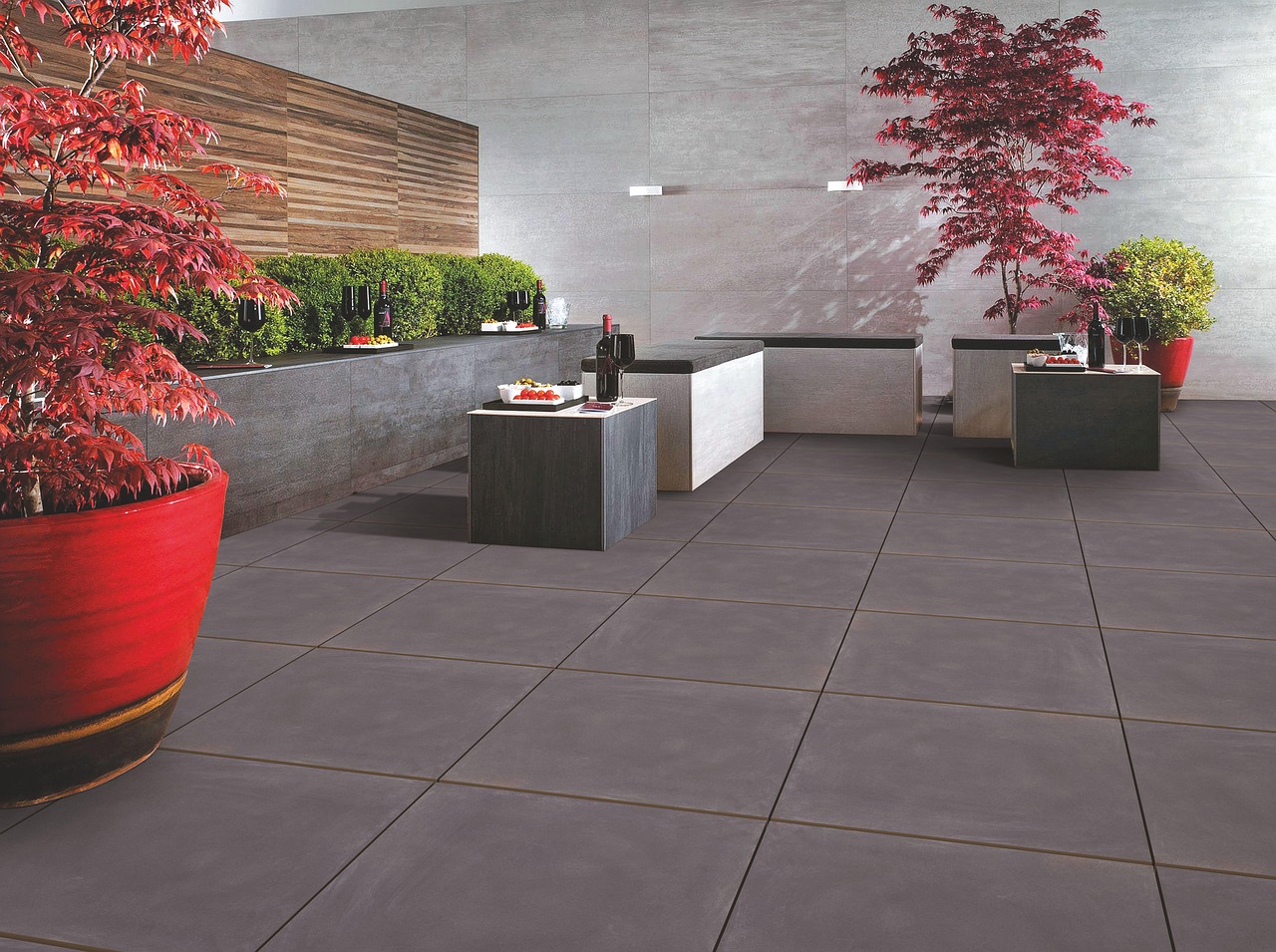
- Design versatility: You can find styles that mimic slate, concrete, or warm oak planks with startling realism.
In addition to these standout qualities, outdoor porcelain is inherently resistant to mold, moss, and mildew growth. Because the surface is non-porous, organic matter has nowhere to root and feed, keeping your patio looking pristine with minimal seasonal intervention compared to traditional wooden decks or porous concrete slabs.
Installation Methods Explained
How you install your outdoor porcelain tile depends entirely on your existing sub-base and how you plan to use the space. Professional contractors typically use one of three reliable methods.
For a traditional, permanent patio, tiles are laid on a concrete slab using modified thin-set mortar and exterior grout. If you want a permeable surface, you can dry-lay the tiles directly over a compacted base of gravel and sand with joints filled with fine aggregate. Another popular option for rooftop terraces or uneven yards is using raised pedestals, which hide pipes and cables underneath while keeping the surface level.
Here are the common steps involved in a standard dry-lay installation:
- Excavate the area to a depth of about six to eight inches, ensuring proper slope for water drainage.
- Lay down a geotextile fabric to prevent weed growth through the gaps.
- Add crushed stone in layers, compacting each layer thoroughly until firm.
- Spread a thin layer of bedding sand, place your tiles with spacers, and tap them level with a rubber mallet.
When installing on raised pedestals, precise measurement is vital. The adjustable plastic jacks are placed at the corners and intersections of the tiles, creating a completely floating floor system. This allows rapid drainage between the gaps and makes accessing utilities underneath simple.
Common Mistakes to Avoid
Working with outdoor porcelain tile requires attention to detail. Skipping crucial steps can lead to loose pavers or drainage problems down the road.
One major error is ignoring the slope of your yard. Even if the tiles look flat, your base must slope slightly away from your house to prevent water pooling near your foundation. Another mistake is using indoor-rated tiles outside. Always verify that your tiles are specifically rated for exterior use and feature an anti-slip texture.
Another frequent pitfall is failing to account for expansion joints, particularly on large concrete installations. Without proper joints, thermal expansion during peak summer months can cause the mortar bed to buckle and crack your brand-new tiles. Always consult manufacturer guidelines regarding spacing and movement joints to protect your investment over the long term.
Frequently Asked Questions
Can outdoor porcelain tile crack under heavy weight?
Standard 20mm thick porcelain pavers are engineered to withstand heavy loads, including parked cars when installed correctly over a concrete base. However, thin tiles meant for walls will crack under foot traffic.
When selecting your materials, always double-check the thickness specification. Standard indoor tiles typically measure around 9mm to 10mm, which is entirely unsuitable for dry-laying over gravel or pedestals outdoors.
How do I clean my patio tiles?
Routine cleaning only requires sweeping away debris and hosing the surface down. For stubborn stains, warm water, mild dish soap, and a soft-bristle brush will restore the finish.
Avoid harsh acid cleaners unless specifically recommended for your tile type, as they can damage surrounding grout or pedestals.
For seasonal deep cleaning, a pressure washer can be used on a wide-fan setting, keeping the nozzle at a safe distance to avoid damaging joint fillings or pedestals.
Do porcelain pavers get too hot in the sun?
Like any hardscape material, porcelain absorbs heat under direct sunlight. Lighter colors stay much cooler than dark tones, making them a better choice around sunny pools.
If you live in an extremely hot climate, choosing beige, light gray, or off-white porcelain pavers will ensure your patio remains comfortable for barefoot walking during peak afternoon hours.
Final Thoughts on Your Patio Upgrade
Investing in outdoor porcelain tile transforms your backyard into a stylish, functional extension of your living space. By planning your drainage, choosing the right thickness, and keeping up with basic cleaning, your patio will look pristine for decades. Take your time comparing textures and samples to find a style that truly complements your home.
Remember that careful planning during the design phase pays off exponentially once construction begins. Consult with local professionals if you feel unsure about sub-base compaction or intricate cuts, and enjoy your stunning new low-maintenance outdoor retreat.