Choosing the foundation for your cooking space sets the tone for your entire home. A great room needs a surface that can handle heavy foot traffic, dropped utensils, and the occasional spilled mug of coffee. When you start exploring different kitchen floor ideas, you quickly realize that design choices go far beyond basic aesthetics. The ideal floor acts as the silent anchor of your culinary workspace, absorbing daily wear and tear while elevating the overall interior design of your house.
This guide breaks down everything you need to know about selecting, installing, and maintaining the right surface for your culinary workspace. Whether you are planning a complete gut renovation or simply swapping out tired linoleum, understanding your material options will save you time and money. By weighing the pros and cons of various finishes, you can create an environment that feels welcoming, performs reliably under pressure, and adds tangible resale value to your property.
Understanding Your Daily Kitchen Needs
Before looking at color swatches or tile shapes, look closely at how your household uses the cooking area. Do you have a busy household with running dogs and toddlers? Or is your space mostly used for quiet weekend baking sessions? High-traffic zones demand durable materials that resist scratches and moisture. For instance, homes with pets need surfaces that withstand sharp claws and won’t trap pet hair in deep textured grooves. Think about how often you cook from scratch, as heavy meal preparation involves frequent movement between the refrigerator, sink, and stove, creating a well-worn invisible path on your floor.
Functionality always trumps looks when it comes to long-term satisfaction. Consider these practical factors before making a final decision:
- Moisture resistance is non-negotiable near sinks and dishwashers where water splashes happen daily, preventing mold growth and warped planks.
- Slip resistance protects your family from sudden falls, especially when cooking oils or water land on the floor during rushed meal prep.
- Comfort underfoot matters if you spend hours standing while prepping meals, kneading dough, and washing dishes, reducing lower back fatigue.
- Maintenance requirements dictate how much scrubbing, polishing, and sealing your new surface will demand every month to keep it looking pristine.
Popular Materials for Modern Kitchens
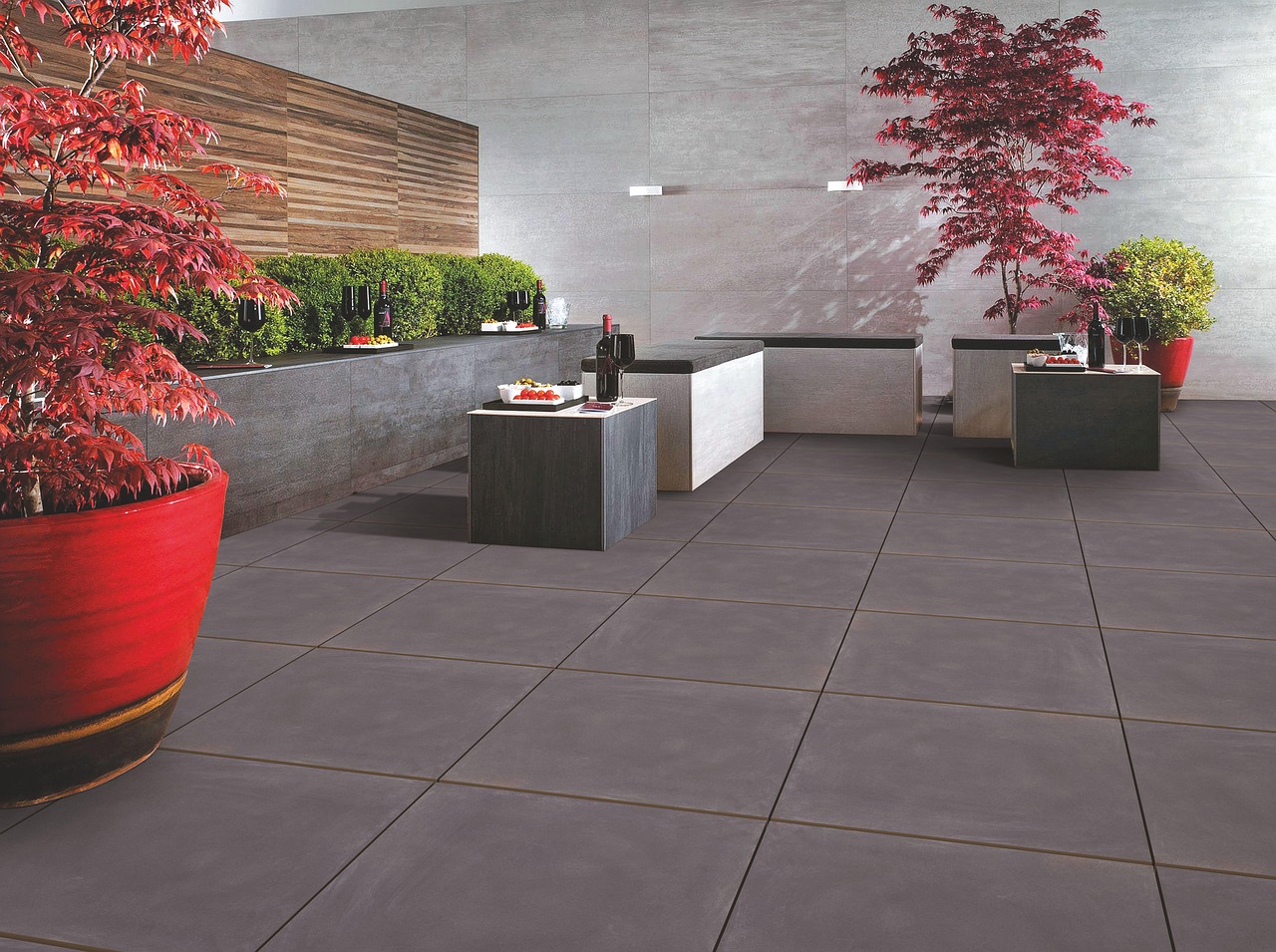
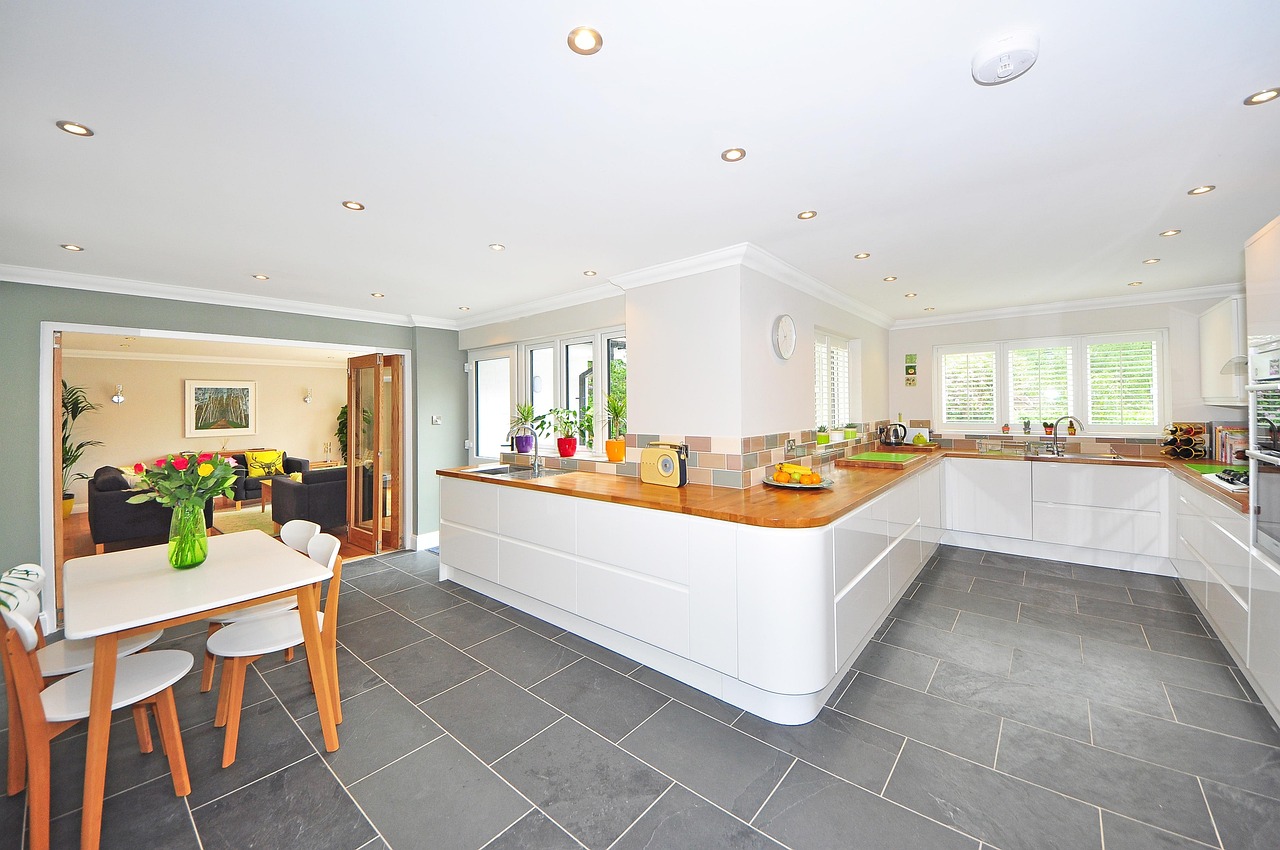
Exploring various kitchen floor ideas opens up a world of textures, colors, and price points. Porcelain options remain a top pick for homeowners because they combine extreme durability with high-end style. Glazed tiles mimic natural stone or wood without the fussy upkeep. They are fired at extremely high temperatures, making them virtually impervious to water absorption and staining, which is ideal for homes where cooking spills happen frequently. You can also find textured finishes that provide extra grip when wet, adding an extra layer of safety for active families.
Hardwood brings warmth and continuity to open-plan homes, connecting your dining and living zones seamlessly. However, real wood requires prompt cleanup of spills to prevent warping, and it may need refinishing every decade to erase surface scuffs. Luxury vinyl plank has also surged in popularity thanks to its waterproof nature, soft feel, and realistic wood or stone graphics. It absorbs sound better than hard tile and feels warmer on bare feet during chilly winter mornings.
Balancing Budget and Professional Installation
Renovations often stretch financial limits, making budget management a critical part of the process. Material costs are only part of the equation; labor, subfloor preparation, and old flooring removal add to the final bill. Skimping on subfloor prep is a common mistake that leads to cracked tiles, loose planks, or squeaky boards down the road. Allocating a contingency fund of ten to fifteen percent helps absorb unexpected surprises discovered once the old flooring is pulled up, such as hidden water damage or uneven joists that require immediate structural remediation before new materials can be safely laid down.
Hiring a qualified professional ensures the job gets done right the first time, protecting your manufacturer warranty. Here is what you should expect during a standard installation project:
- Initial site inspection to check for moisture issues, uneven spots, and structural stability in the subfloor before any work begins.
- Thorough cleaning and leveling to create a flat, secure base for your chosen material, preventing future sagging or cracking.
- Precise cutting and layout planning to minimize awkward tile cuts near cabinets, islands, and doorways for a polished finish.
- Grouting, sealing, and curing periods that protect the investment and ensure long-term performance against stains and moisture.
Common Mistakes to Avoid
Many homeowners fall in love with a material in the showroom without thinking about daily realities. High-gloss tiles might look stunning in a magazine spread, but they show every single crumb, footprint, and water spot, requiring constant wiping. Choosing style over safety often leads to slippery surfaces that cause accidents, especially when paired with wet socks or stray cooking grease. Always test tile samples under your home’s specific lighting conditions, as warm incandescent bulbs versus cool LED ceiling panels can drastically change how color tones and surface sheens appear in reality.
Another frequent misstep is ignoring transition pieces between different rooms. A sudden half-inch drop between the kitchen and the hallway creates a tripping hazard and looks unfinished. Plan your transition strips early so the flooring flows naturally from one space to the next, bridging different heights and materials gracefully.
Frequently Asked Questions
What is the most durable option for a busy kitchen?
Porcelain tile is widely considered the toughest option available. It resists heavy impacts, scratches, water, and heat better than almost any other residential flooring material, making it a reliable long-term investment for active households.
Are hardwood floors a bad idea in a cooking space?
Not necessarily, but they require extra care. You must wipe up water spills immediately and apply protective finishes to prevent moisture damage and staining over time. Using anti-fatigue mats near the sink can also protect the wood.
How do I clean high-maintenance surfaces effectively?
Always follow the manufacturer guidelines for your specific material. Avoid harsh acidic cleaners on natural stone or unsealed grout lines to preserve the finish and prevent permanent etching or discoloration.
Transforming your cooking area starts with a solid plan and a clear understanding of your household habits. Take your time comparing textures, testing samples in your actual lighting, and consulting with local contractors. A thoughtful choice today will reward you with a resilient, beautiful space for years to come.